
Projects we are proud of
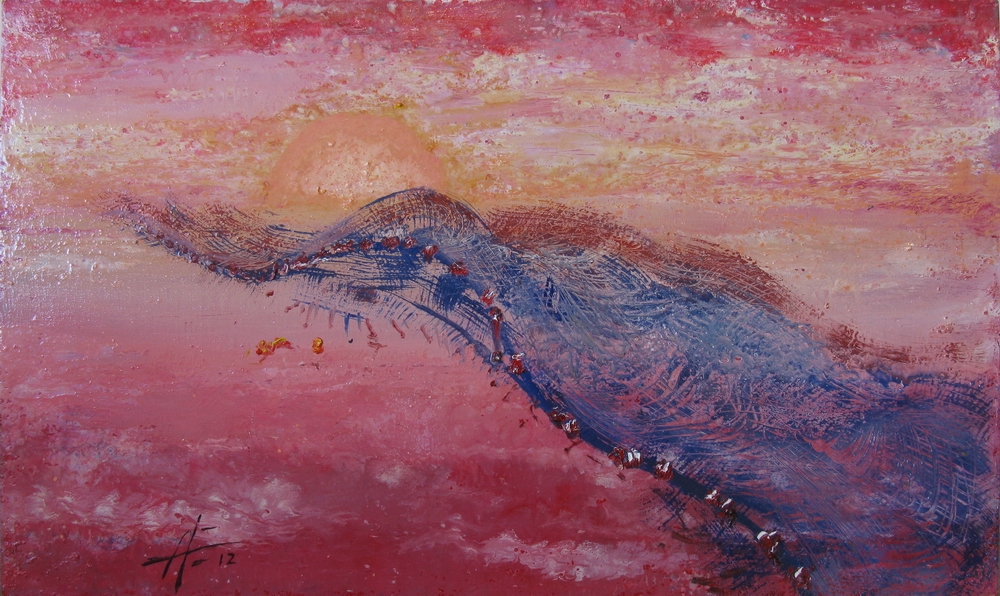
In Far Eastern rivers, fishing nets are set too close to estuaries and too close to each other — as a result, the passage of spawners is reduced, some fish simply do not reach spawning grounds, and within a season or two, fish populations and fishery sustainability noticeably decline. There are few inspectors, field visits take time, and by the time of inspection, nets are simply moved. Satellite imagery sees everything in time, but the "picture" alone does not change the situation, and the problem remains.
Therefore, to truly change the state of affairs and achieve real change, we, the lawyers, step in. The first thing that needs to be done is to turn satellite data into procedurally suitable material with a clear measurement methodology, time and coordinate references, and links to specific regulations and documents that supervisory authorities can accept without modifications.
What did we do in practice? We collected the boundaries of fishery zones and decisions of the Commission on net placement points; took series of images over a season and measured lengths, intervals, and distances from estuaries; described the methodology and "chain of custody" of data (accuracy, sources, who processed it and how); linked each episode to a regulation (Fishing Rules, Federal Law No. 166/Administrative Code) and prepared a package — coordinates, map diagrams, cover letters, and templates for appeals.
What conclusion can be drawn from this? When "image → measurement → regulation → document" are combined into one whole, control begins to work predictably.
What was the result? Once the "picture" turned into a legally suitable package, the system started moving. Based on our materials, inspections began; some nets were relocated; compliance with placement rules increased — when it becomes clear to everyone that measurements of length and distances to estuaries are checked against images and regulations, there is less room for violations. Businesses get clear guidelines on "what constitutes a violation," and supervisory authorities get a reproducible mechanism they can use without modifications.
To ensure the effect is not one-time, we are promoting a systemic solution — automated recording based on satellite data (similar to traffic cameras): decisions based on a digital package of "image + coordinates + measurements," without mandatory field visits by an inspector; faster, cheaper, more predictable — the rule becomes inevitable.

CubeSat is an excellent tool for business and science, but only if the launch terms are written fairly. In our case, a company signed a contract to launch a 3U CubeSat: the customer was required to pay 6 million rubles upfront, without staged payments. It seems all formal — signed papers, paid, waiting for results. But upon careful reading of the terms, it becomes clear that not everything is so simple:
The outcome is simple — the business invests millions but remains legally unprotected. If something goes wrong, the customer loses both the satellite and the funds. This is exactly the case where a lawyer should get involved from the very beginning. Their role is to identify risks, lay everything out clearly, and show the customer that by signing such a contract, they are turning the launch into an expensive space lottery.
But what to do in such a situation?
We demonstrated how we engaged in the process: analyzed the entire contract text and highlighted key risks for the customer; achieved clarifications in the contract: when exactly ownership transfers, how money is returned in case of schedule disruptions, what storage and operation guarantees the contractor must provide; prepared arguments for negotiations.
Result. The customer entered a new round of discussions and received a contract where risks are distributed fairly and clearly. Funds are no longer in limbo, as the customer now understands the terms of work.
What lesson can be learned from this story? Space projects cannot be launched without legal protection.
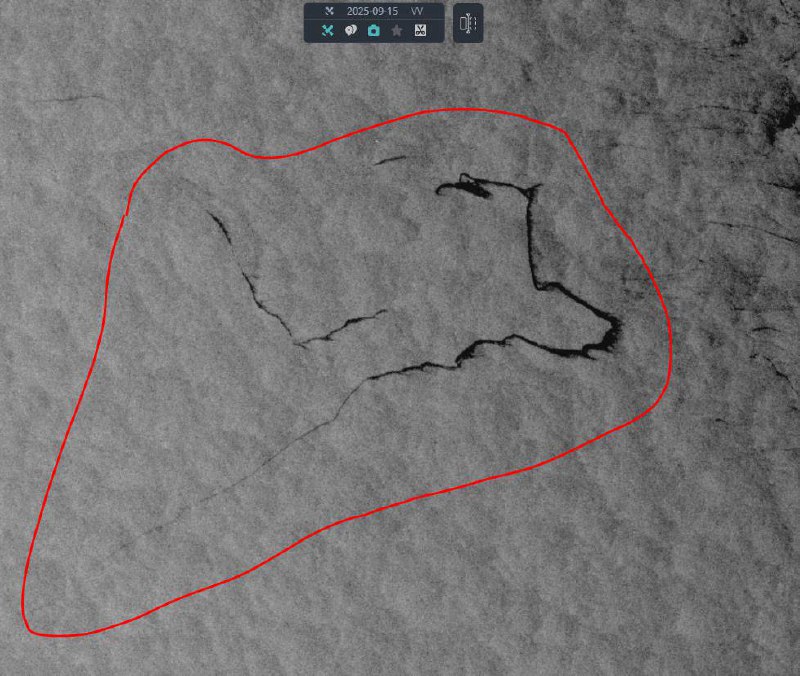
One of our interesting projects is "Transparent World on the Caspian." This is an initiative where satellite data is used to record oil pollution on the sea surface and form an open database on the state of the water area.
The problem is extremely important, as pollution changes the entire ecosystem. Oil slicks harm plankton and fish — the food base for the Caspian seal, the only marine mammal in the Caspian Sea. When the food chain is disrupted, fishery stocks decline, and with them — incomes and quality of life in coastal cities. The problem becomes chronic: everyone sees it, but formally no one is responsible for it.
Even if pollution is visible from satellites, using this data officially is difficult — it lacks legal weight. Scientists document the problem, but government agencies cannot rely on it. That is why "Legal Cosmos" joined the project — to make space observation a legal tool for protecting the sea.
We helped turn satellite imagery into a legally significant data source. The team built a process so that monitoring results could be used officially — in environmental reports, during inspections, and in pollution investigations. Together with the scientific group, we defined standards for recording, procedures for storing and transmitting information, and the legal format for publishing open maps.
For example, in September 2025, satellites recorded 25 oil pollution spots with a total area of over 40 square kilometers. Now this data is not just visible — it is documented and enables moving from observation to action.
For us, this is an example of how technology and law complement each other. When data from space becomes part of official control, ecology stops being a formality and becomes a real part of the legal system.
Space Center
Legal Support
You are here
«Earth from Space»
Team of Experts
Get in touch